

Frangipani
Top 20
While we already know that a team from Technische Hochschule (University of Applied Sciences) Nürnberg successfully used Akida to win 2nd prize in this year’s tinyML Hackathon Challenge Pedestrian Detection…
View attachment 49349
View attachment 49350
… it is nice to see Brainchip also getting exposure on the institute’s website now (under ‘equipment’), alongside other development boards:
Ausstattung – Technische Hochschule Nürnberg Georg Simon Ohm
Durch die Größe der Fakultät Informatik, mit rund 1000 Studierenden, ist das Angebot vielfältig. Die Praxisorientierung des Studiums zeigt sich insbesondere bei Praxissemestern und Abschlussarbeiten in Kooperation mit den vielen großen und kleineren Unternehmen vor Ort.www.th-nuernberg.de
FAKULTÄT INFORMATIK
/ Informatik / Forschung / Cognitive Neurocomputing /
Ausstattung
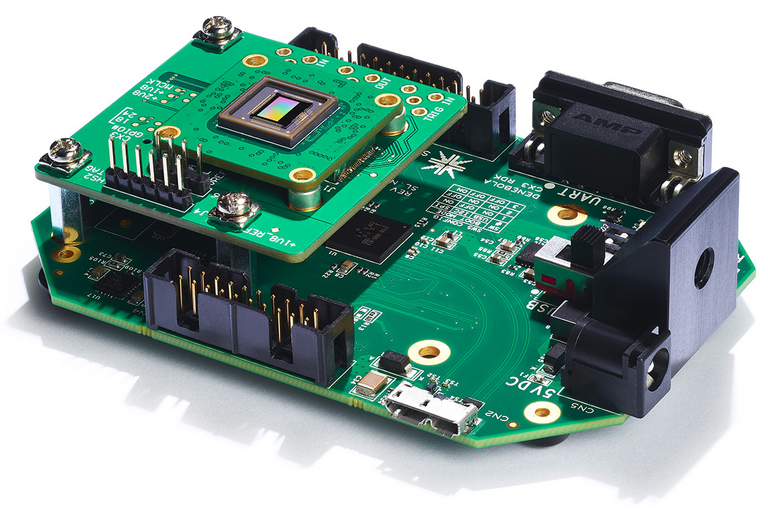
PROPHESEE Metavision® EVK3 – VGA/HD Event-Based Neuromorphic Vision sensor
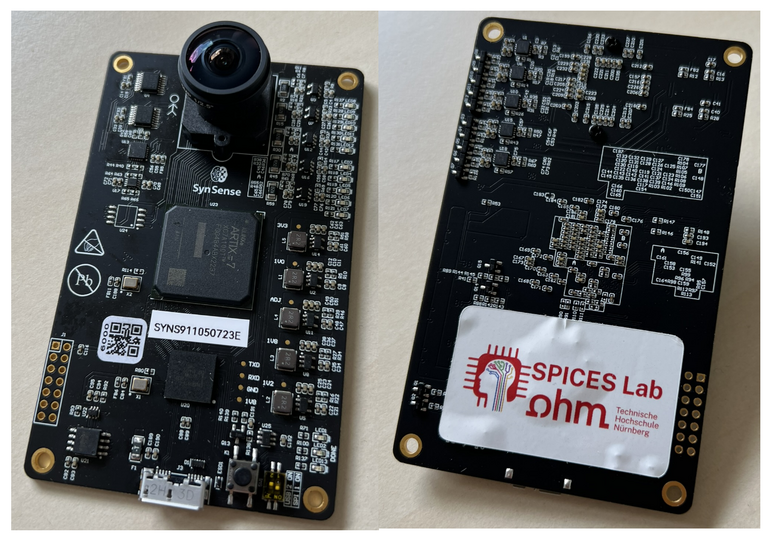
SynSense SpeckTM Event-driven neuromorphic visual computing SoC Development Kit
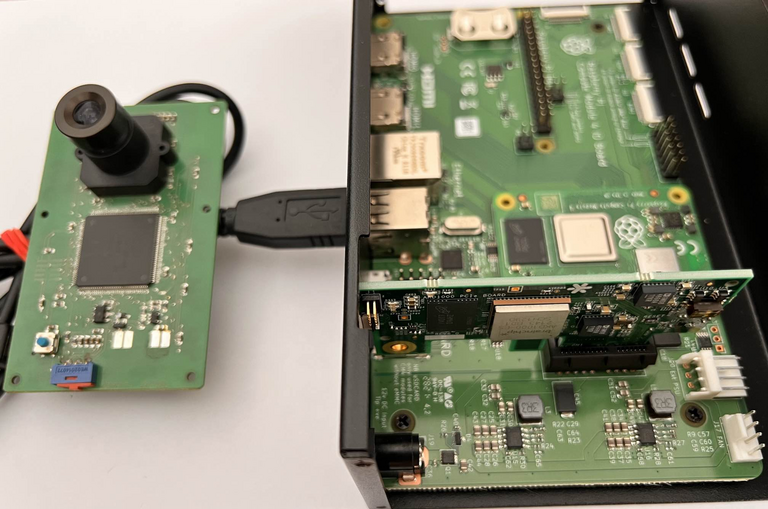
Brainchip Akida with Raspberry Pi Carrier Edge Device
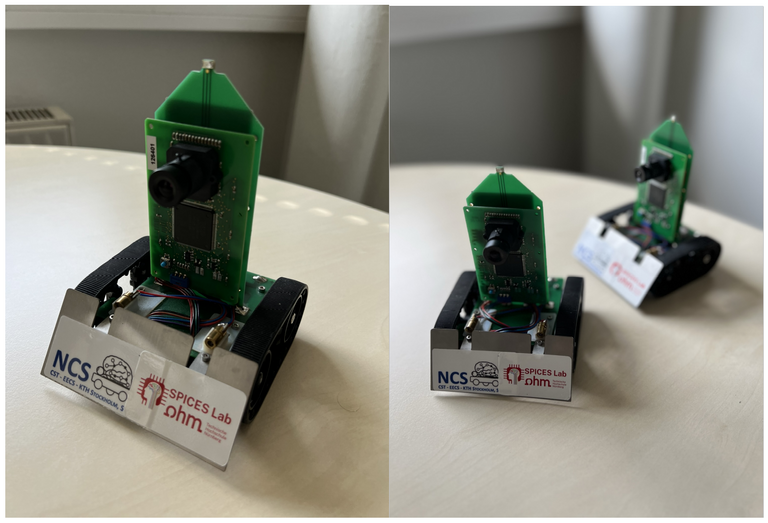
KTH NCS PushBots with event-based cameras
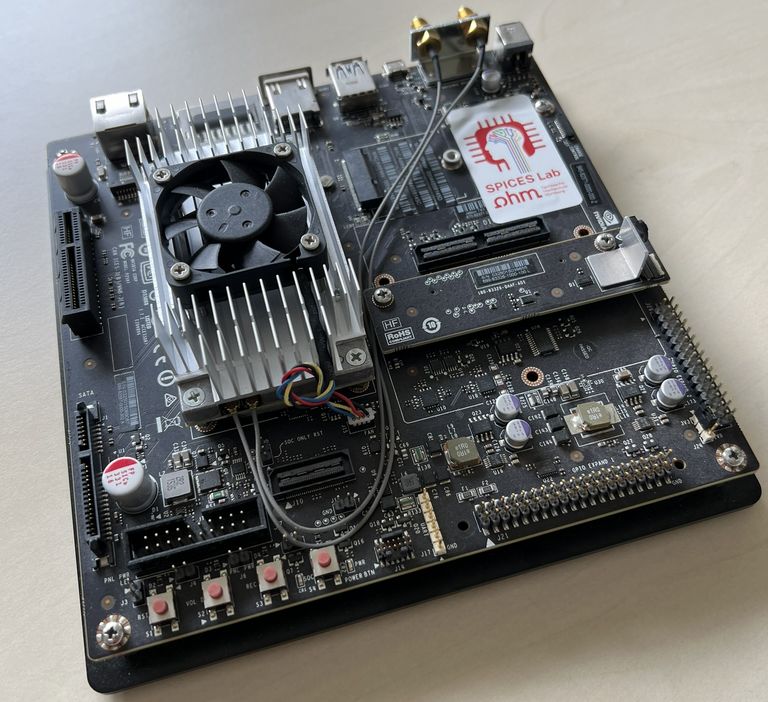
nVidia Jetson TX1 Embedded Development Board
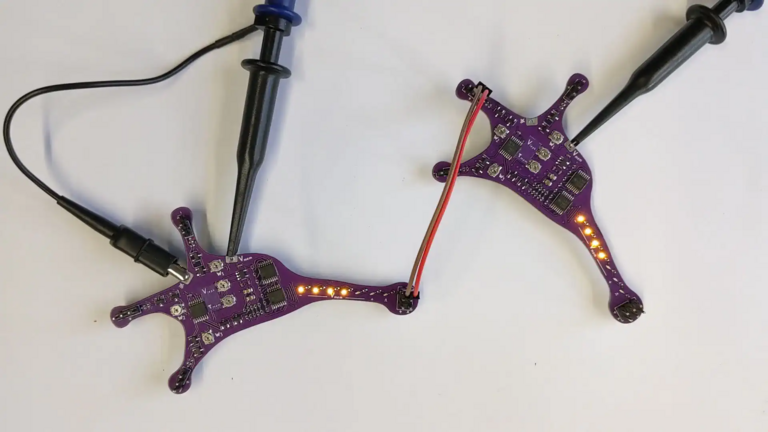
GiantAxon Lu.i Electronic neuron circuit boards
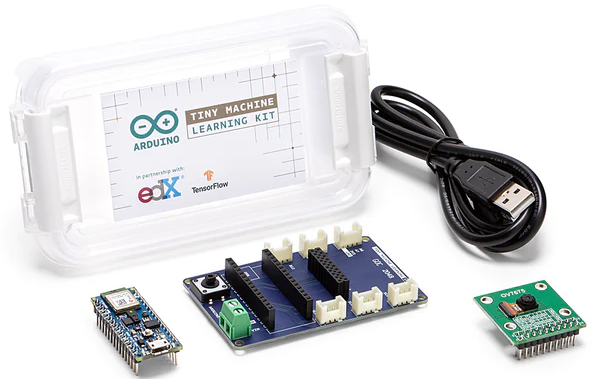
Arduino Tiny Machine Learning (TinyML) Development Kits
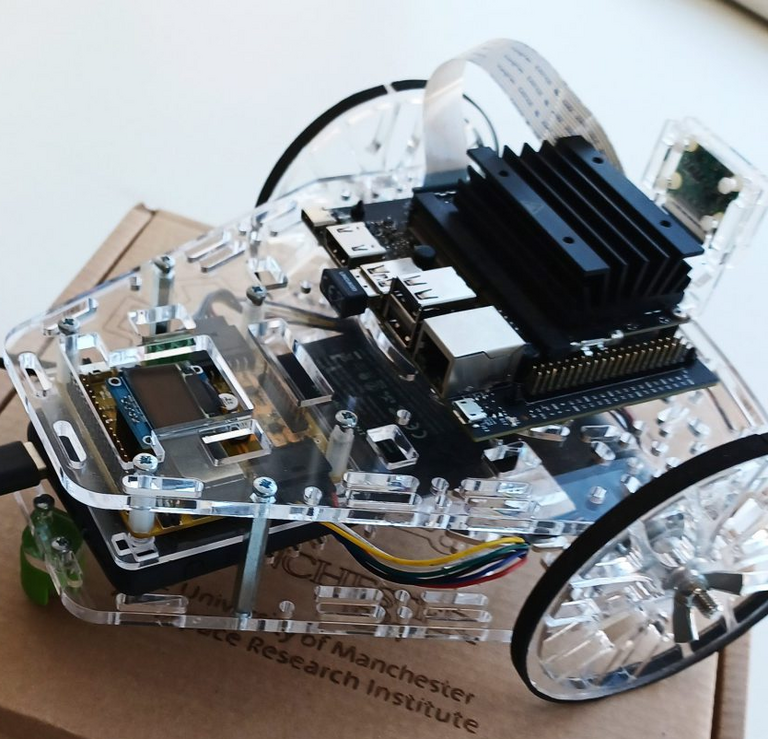
Manchester Robotics nVidia Jetson PuzzleBot
Team NeurOHM from Technische Hochschule Nürnberg recently presented their entry for the tinyML Hackathon Pedestrian Detection Challenge 2023 as part of a bi-monthly seminar series organised by the Alan Turing Institute, the UK’s national institute for data science and artificial intelligence, headquartered in the British Library in London!
What better place for Brainchip to gain further recognition?! After all, Akida has cracked the enigma of low latency in combination with ultra-low power efficiency.
“This bi-monthly seminar series explores real-world applications of physics-informed machine learning (Φ-ML) methods to the engineering practice. They cover a wide range of topics, offering a cross-sectional view of the state of the art on Φ-ML research, worldwide.
Participants have the opportunity to hear from leading researchers and learn about the latest developments in this emerging field. These seminars also offer the chance to identify and spark collaboration opportunities.”




 I suspect that Brainchip won't be too far from his thoughts.
 ..
.. ..
..