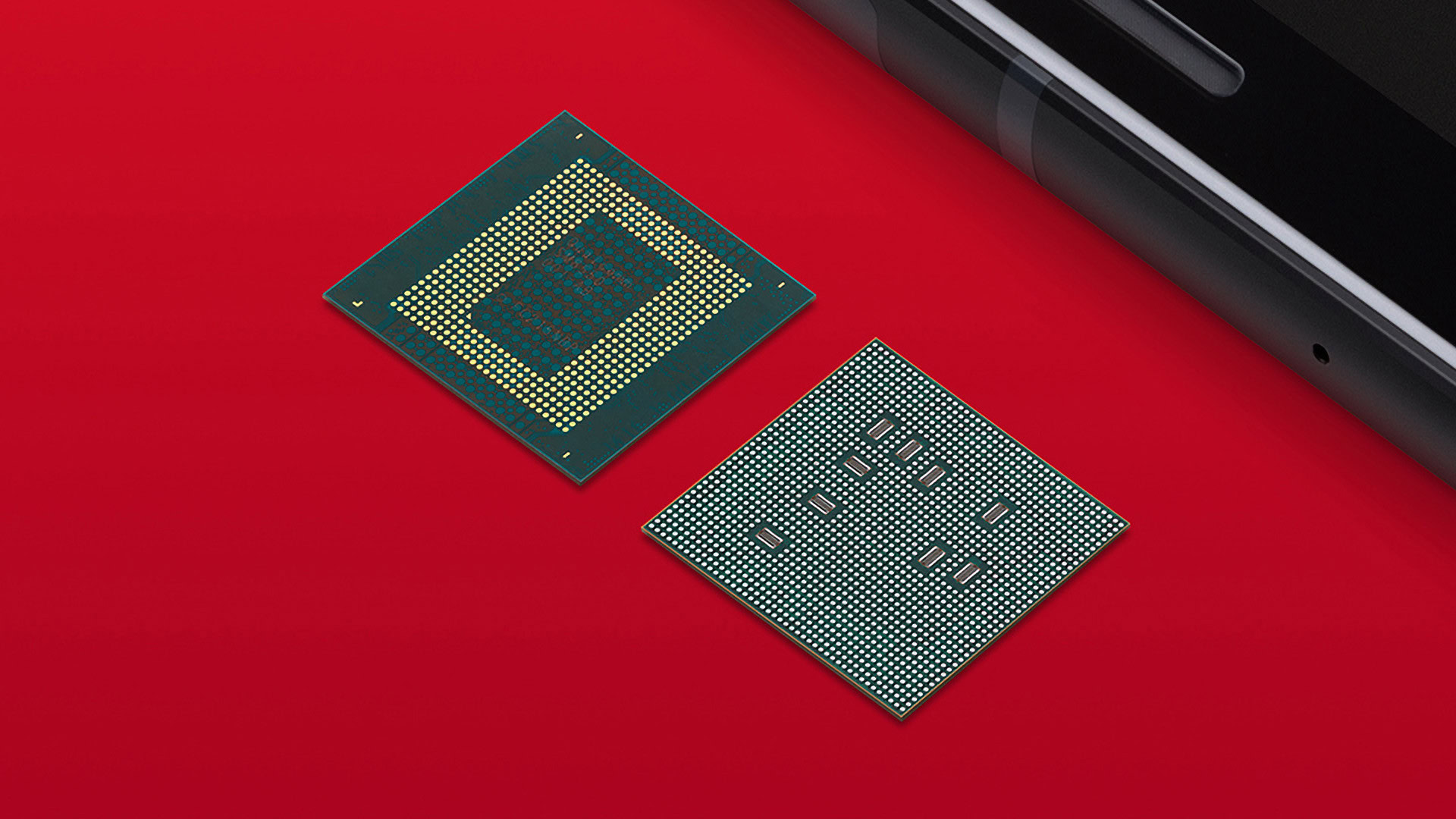
Akida is capable of image classification. The deblurring feature of Prophesee/Qualcomm/Sony does not require classification.We are partners with Prophesee. Any chance AKIDA is involved with the new Qualcomm Snapdragon or maybe the one after.
Prophessee are supplying a chip for Qualcomm. " Vision firm Prophesee has announced a new collaboration that will see its neuromorphic Metavision sensors optimised for use with Qualcomm’s Snapdragon mobile platforms."
BRN Partnership June14th 2022:
" “We’ve successfully ported the data from Prophesee’s neuromorphic-based camera sensor to process inference on Akida with impressive performance,” said Anil Mankar, Co-Founder and CDO of BrainChip. “This combination of intelligent vision sensors with Akida’s ability to process data with unparalleled efficiency, precision and economy of energy at the point of acquisition truly advances state-of-the-art AI enablement and offers manufacturers a ready-to-implement solution.”
Is AKIDA in the new Snapdragon described in your post?
At a presentation last year by Sean last year when talking about Tech partnerships and how we need to show our AKIDA works well with any processors etc our clients use (that is why we embedded with ARM) he said:
" a customer buys a Prophesee camera they want to know Branchip works well with them"
Not sure whether this was just a qiup or an unintentional slip of the tongue given NDA??
In any case Prophesee have been working with the AKIDA chip for almost 2 years - and it works.
I am not sure of any other event based/power saving Neuromorphic AI companies are advanced enough to have gone this far.
According to Sean at the recent presentation we are streets ahead of the competition.
This Prophesee patent application described merging DVS with frame camera image. Its's about time shifting the frames to eliminate blur.
Prophesee DVS Frame Camera
US2022329771A1 METHOD OF PIXEL-BY-PIXEL REGISTRATION OF AN EVENT CAMERA TO A FRAME CAMERA 20210402
A method for registering pixels provided in a pixel event stream comprising: acquiring image frames from a frame-based camera, each image frame being generated using an exposure period; generating a first point matrix from one or more of the image frames, the first point matrix being associated with an acquisition period of the image frames; acquiring a pixel event stream generated during the acquisition period; generating a second point matrix from pixel events of the pixel event stream, occurring during the acquisition period of the first point matrix; computing a correlation scoring function applied to at least a part of the points of the first and second point matrices, and estimating respective positions of points of the second point matrix in the first point matrix, due to depths of the points of the first point matrix related to the second point matrix, by maximizing the correlation scoring function.
 .
.