12/04/2024
Mining: fraud and corruption are increasing in the CU-CO mines of the former Katanga!
12.04.2024
The former Katanga, in the southeast of the Democratic Republic of Congo (DRC), is one of the richest copper and cobalt producing regions in the world. However, the population of Katanga, like the rest of the DRC, remains extremely poor, and the state has failed to provide most of the province with basic infrastructure and public services, especially in rural areas.
The mining sector in the former Katanga is characterized by widespread corruption and fraud at all levels. A significant proportion of copper and cobalt is extracted informally and illegally exported.
Government representatives are actively in conniving with commercial companies to circumvent control procedures and tax payments.
Profits are used to fill the pockets of a small but powerful elite: politicians and businessmen who exploit the local population and divert natural wealth for their own purposes. Large quantities of valuable minerals are leaving the country without being declared, which represents a huge loss for the Congolese economy and a wasted opportunity to reduce poverty and strengthen development. A local source estimated that at the end of 2005, at least three-quarters of the minerals exported from Katanga were coming out illegally.
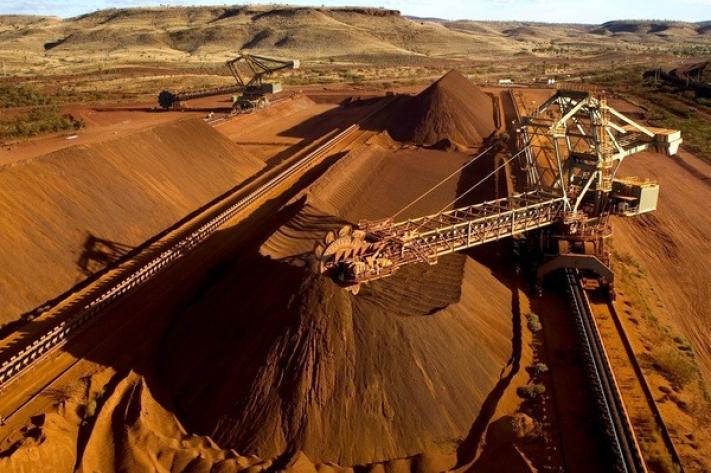
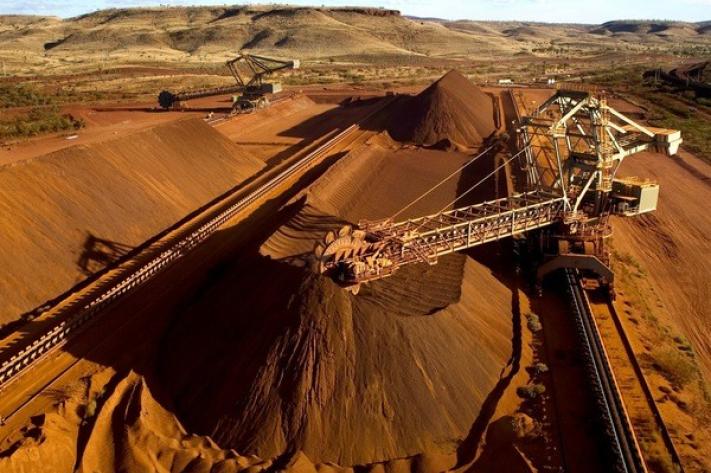
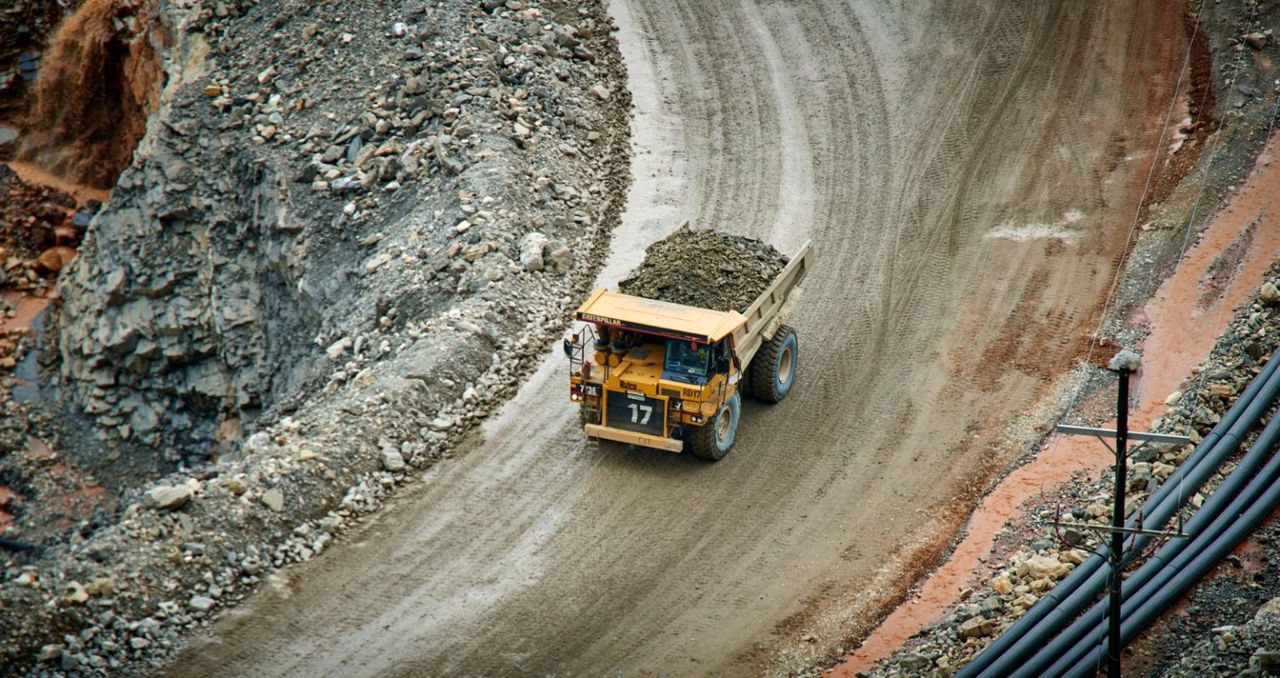
The mining industry in the former Katanga includes two parallel sectors: the formal sector, where foreign and multinational companies use industrial extraction methods, and the informal or "craft" sector, where tens of thousands of individuals extract minerals independently, in a totally unregulated environment.
Most artisanally extracted products are exported raw, usually in the form of heterogenite, which contains copper, cobalt and a range of other minerals, or, increasingly, in the form of malachite, an important copper ore. This means that even when these exports are declared, the DRC loses the higher prices it could get if it processed the minerals before exporting and selling them.
Instead, the transformation takes place in Zambia, South Africa or the country of final destination – most often China or other Asian countries – offering considerable economic gain for these countries but little added value for the DRC.
This report updates a Global Witness report entitled "Rush and Ruin:
The Devastating Mineral Trade in Southern Katanga", published in September 2004. This report is based primarily on field research conducted by Global Witness in Katanga in November and December 2005. Global Witness The witness researchers interviewed a wide range of people in and around Lubumbashi, the provincial capital; in the mining areas of Likasi and Kolwezi; in Kasumbalesa (border crossing between the DRC and Zambia); in the Congolese capital Kinshasa; and in Zambia, a neighbor of the southeast of the DRC, through which the minerals are exported.
The interviewees included minors, intermediaries known as merchants, carriers, representatives of mining and commercial companies, government and security forces officials, trade unionists, members of non-governmental organizations. Katanga in 2005, but noted a number of worrying developments regarding the major mining contracts concluded. Under the transitional government of the DRC.
This report expresses concerns about some of these contracts signed since 2004. These mainly concern the complaints expressed by the inhabitants of Katanga about the unbalanced nature of these contracts, which ensure disproportionate shares of profits to foreign or multinational companies and a negligible amount to the State.
Local perceptions of imbalance and injustice have been reinforced by the lack of transparency surrounding these contracts and the absence of public debate and consultation.
This situation has aroused deep resentment among the population of Katanga who see the potentially huge profits of these mining operations leave the country, with little or no change in their standard of living.
The report also highlights the involvement of high-level political actors in the negotiation of these contracts and in the diversion of the profits of the mineral trade in Haut-Katanga, the heart of President Joseph Kabila.
The situation in the former Katanga has implications far beyond the province. Unlike other parts of the country, the southern part of Katanga, where copper and cobalt mines are located, was not the scene of violent fighting during the war in the DRC and remained under government control. Despite this, widespread corruption, abuse and illicit practices persisted in the mining sector, and the relative stability of the region has not brought any of the expected benefits of natural wealth.
The ex-Katanga should serve as a severe warning for the future of mining areas in the least stable regions of the DRC. If the government could not or did not want to reform the management of natural resources in an area over which it has retained firm control, the chances of introducing such reforms in conflict-stricken areas of the country could be even lower. The Congolese government and donor governments should take rapid action to reverse this situation to avoid a new drift towards chaos. The historic elections to be held in the DRC in July 2006 represent a unique opportunity for fundamental reform.
This report contains recommendations for action that should be priorities for the new government. If these reforms are undertaken without delay, they could have lasting effects on the development of the country as a whole and on the revitalization of its economy. They would also mark an important step to end decades of corruption and impunity in the mining sector and ensure that the Congolese population finally begins to benefit from the natural resources of their country and other members of civil society. Further research was conducted in Zambia and South Africa in January and February 2006.
This report focuses mainly on the artisanal mining sector. The exact number of artisan miners in Katanga is not known - there are no precise registers or statistics - but at the end of 2005, their number was estimated at about 150,000 or more.
This report documents the ruthless exploitation of artisanal miners by the government and the officials of security forces and trading companies.
At the local and provincial levels, officials from various ministries, including the Ministry of Mines, Police, Customs, Intelligence and local government, all extort large sums of money from minors as part of an institutionalized corruption system.
The association that claims to represent artisanal miners, the Artisanal Mining Exploitants of the former Katanga (EMAK), also extorts money from minors instead of protecting their interests. Traders are financially exploited by the commercial companies to whom they sell the minerals and are forced to accept prices that do not correspond to the real value of the products.
In addition to their financial vulnerability, the craft miners of the former Katanga work in difficult conditions, without clothing, equipment or protective training. Dozens of miners die each year in preventable accidents, most often when they are trapped by the collapse of minewells. No one investigates or assumes responsibility for these deaths or the well-being of artisanal minors. However, minors continue to take these risks, because there are very few alternative sources of income for them.
The formal mining sector of the former Katanga was also not free of corruption, exploitation and abuse. Global Witness did not conduct extensive research on the formal sector in Katanga in 2005, but noted a number of worrying developments regarding the major mining contracts concluded under the transitional government of the DRC.
This report expresses concerns about some of these contracts signed since 2004. These mainly concern the complaints expressed by the inhabitants of Katanga about the unbalanced nature of these contracts, which ensure disproportionate shares of profits to foreign or multinational companies and a negligible amount to the State.
Local perceptions of imbalance and injustice have been reinforced by the lack of transparency surrounding these contracts and the absence of public debate and consultation. This situation has aroused deep resentment among the population of Haut-Katanga who see the potentially huge profits of these mining operations leave the country, with little or no change in their standard of living.
The report also highlights the involvement of high-level political actors in the negotiation of these contracts and in the diversion of the profits of the mineral trade to the former Katanga, the heart of President Joseph Kabila.
The situation in the former Katanga has implications far beyond the province. Unlike other parts of the country, the southern part of Katanga, where copper and cobalt mines are located, was not the scene of violent fighting during the war in the DRC and remained under government control.
Despite this, widespread corruption, abuse and illicit practices persisted in the mining sector, and the relative stability of the region has not brought any of the expected benefits of natural wealth.
Katanga should serve as a harsh warning for the future of mining areas in the least stable regions of the DRC. If the government has not been able or unwilling to reform the management of natural resources in an area over which it has retained firm control, the chances of introducing such reforms in the conflict-stricken areas of the country may be even lower. The Congolese government and donor governments should take rapid action to reverse this situation to avoid a new drift towards chaos.
The historic elections to be held in the DRC in July 2006 represent a unique opportunity for fundamental reform. This report contains recommendations for action that should be priorities for the new government. If these reforms are undertaken without delay, they could have lasting effects on the development of the country as a whole and on the revitalization of its economy. They would also mark an important step towards ending decades of corruption and impunity in the mining sector and ensuring that the Congolese population finally begins to benefit from the natural resources of their country.
Prosperity / MCP, via mediacongo.net
L'ex- Katanga, au sud-est de la République démocratique du Congo (RDC), est l’une des régions productrices de cuivre et de cobalt les plus...
www.mediacongo.net
17/04/2025
DRC: The largest Swiss bank blocks the funds of the Tshisekedi family, estimated at $8 billion, but experts suspect that part of the fortune is in Qatar and the United Arab Emirates
Date:
February 19, 2025
By JeN-LUC KIENGE
In a financial stunt that is shaking the banking and political circles, the largest Swiss bank, UBS, confirmed that it has frozen funds belonging to the Tshisekedi family, estimated at nearly $8 billion. This decision is part of an international investigation into allegations of money laundering and embezzlement of public funds. However, according to several financial experts, a substantial part of the Tshisekedi family's fortune could be hidden in Qatar and the United Arab Emirates, countries known for their financial opacity.
A fortune under surveillance
The Tshisekedi family, whose patriarch, Étienne Tshisekedi, was an emblematic figure of the opposition in the Democratic Republic of Congo (DRC), is now in the spotlight. Félix Tshisekedi, his son, is the current president of the DRC, and this revelation could have major political repercussions. The funds blocked in Switzerland are suspected of being linked to opaque transactions and embezzlement of natural resources, especially in the mining sector, which represents a significant part of the Congolese economy.
UBS, in collaboration with the Swiss judicial authorities, justified this measure with "substantial evidence" of suspicious financial movements. "We have a legal obligation to ensure that our banking system is not used for illegal purposes," said a bank spokesman. However, the exact details of the investigation remain confidential.
A fortune scattered internationally
If the $8 billion frozen in Switzerland represent a colossal sum, several international finance experts believe that this fortune would only be the tip of the iceberg. According to sources close to the file, a significant part of the assets of the Tshisekedi family is hidden in offshore accounts in Qatar and the United Arab Emirates, two countries renowned for their banking discretion and attractiveness for controversial fortunes.
“Qatar and the United Arab Emirates are hubs for opaque capital. Their financial system is designed to attract foreign investment, often without asking too many questions," explains a London-based financial analyst, on condition of anonymity. “It is very likely that additional billions will be hidden in investment funds or shell companies in these countries.”
Political and economic implications
This case could have major consequences for Félix Tshisekedi, whose presidency is already marked by economic and political challenges. The DRC, one of the richest countries in natural resources in the world, paradoxically remains one of the poorest, with a large part of its population living in extreme poverty. Allegations of embezzlement of public funds by the presidential family risk fueling popular discontent and fueling political tensions.
At the international level, this case also highlights the persistent challenges of the fight against corruption and money laundering. Despite increased efforts to strengthen financial transparency, countries such as Qatar and the United Arab Emirates continue to offer safe havens for illicit fortunes.
An ongoing investigation
The Swiss authorities, in coordination with Interpol and other international organizations, indicated that the investigation was underway and that requests for mutual legal assistance had been sent to Qatar and the United Arab Emirates. However, it is unlikely that these countries will cooperate quickly, given their reluctance to share sensitive financial information.
In the meantime, the Tshisekedi family denies any involvement in illegal activities. In a statement released by their lawyers, they described these allegations as a "defamation campaign" aimed at discrediting the president and his family.
Conclusion
This case once again illustrates the complexities of international finance and the difficulties in tracking down hidden fortunes. While Switzerland has taken measures to block some of the assets of the Tshisekedi family, the question remains: where is the rest of this colossal fortune? The answer could well be found in the sands of the Qatari and Emirati desert, where financial opacity remains queen.
Par Jean-LUC KIENGE Dans un coup de théâtre financier qui secoue les milieux bancaires et politiques, la plus grande banque suisse, UBS, a confirmé avoir gelé des fonds appartenant à la famille Tsh…
vacradiointernational.com
01/06/2025
High levels of corruption crumbling Tshisekedi regime
Author: Yousuf Rwaka
2025-06-01
The Democratic Republic of Congo (DRC) stands out as one of the most corrupt and poor countries worldwide.
President Felix Tshisekedi’s family and inner circle are embezzling national resources while the Congolese suffer from hunger and poor infrastructure in all aspects of life.
Congolese Minister of Justice Constant Mutamba is now one of the targets of the very system he oversees. He is under investigation for embezzlement and public funds mismanagement.
A request for investigation was made by the Attorney General to the National Assembly to launch a judicial investigation on Mutamba, who is accused of embezzling USD 39 million intended for the construction of a prison in Kisangani, Tshopo province.
“The National Assembly has authorized the Attorney General of the Court of Cassation to initiate legal proceedings against the Minister of Justice. He was forced to submit his resignation to Prime Minister Judith Suminwa,” said a source from Kinshasa.
For the minister of justice to be subjected to prosecution, the National Assembly was required to lift his immunity. It is unclear whether Tshisekedi will allow fair legal proceedings against Mutamba’s crimes, as the latter has been the president’s preferred proxy.
Tshisekedi had shielded his special strategic advisor, Vidiye Tshimanga, in September 2022, after
leaked videos went viral showing Tshimanga offering unlimited access to DRC’s minerals in exchange for bribes, including shares in the companies and underhand paybacks, for himself and the president.
Former Minister of Finance, Nicolas Kazadi, a close confidant of Tshisekedi, has been linked to a scandal regarding the misappropriation of millions of US dollars.
Since Tshisekedi’s maneuvers to mask corruption scandals tied to his inner circle are not anything new, Kazadi discreetly left DRC in June 2024 for France through arrangements made from the President’s Office.
Kazadi has never been subject to any arrest warrant, and his case has remained dormant.
On May 20, the former Prime Minister who turned opposition leader - Matata Ponyo - was sentenced to 10 years of forced labor after he was convicted by the Constitutional Court of involvement in the embezzlement of approximately USD 245 million in state funds.
Matata’s accomplices, such as former Central Bank Governor Deogratias Mutombo and South African businessman Christo Grobler were sentenced to five years in prison.
Corruption and embezzlement are longstanding issues in the DRC, but Tshisekedi’s regime made the situation worse than ever.
Tshisekedi’s regime is increasingly crumbling over corruption and embezzlement scandals, in addition to the escalating armed conflict in eastern DRC where AFC/M23 rebels control swathes of territory in the Kivus.
The 2024 Corruption Perceptions Index (CPI) ranked DRC 163 out of 180 countries, with a score of 20 out of 100, indicating a high level of perceived public sector corruption. The report perceived DRC as one of the least effective countries in controlling public-sector corruption.
High levels of corruption crumbling Tshisekedi regime
www.thegreatlakeseye.com