As the global chip war accelerates, Aussie companies like Nanoveu, Weebit and Adisyn are tackling bottlenecks we can’t afford to ignore.

stockhead.com.au
The chip war is not just about Nvidia – these ASX players are also in the fight
Tech 1 hour ago
Eddy Sunarto
Share
The chip war is alive and heating up.
Pic: Getty Images
- The chip war is real and getting serious
- Edge AI is where it’s heading
- These Aussie companies are in the game
There was a time when oil decided who held power. Today, it’s silicon.
Strip away the hype, and every AI advance comes down to one thing: chips that can run faster, cooler and smarter than the last generation.
That’s why the world has slid into what’s now openly called the chip war.
The US is restricting exports, China is pouring tens of billions into domestic fabs, and South Korea has declared semiconductors a “do-or-die” industry.
Governments are doing this because because whoever controls semiconductors will control AI, defence, manufacturing and economic leverage for decades.
Semiconductors aren’t a single bet
They’re a web. Memory, materials, interconnects, edge processing, energy efficiency, security.
They have brutal barriers to entry, and when demand hits, margins can be extraordinary. But they’re also capital intensive and unforgiving if execution slips.
What makes this cycle different is AI.
In particular edge AI – intelligence moving out of data centres and into devices. Cars, sensors, drones, medical equipment, industrial systems. They all need chips that can think locally and respond instantly.
And that’s where Australia’s listed chip-adjacent companies enter the picture.
Not as Nvidia-style giants or mega fab builders, but as specialists solving bottlenecks the global industry can’t afford to ignore.
Nanoveu: the standout chip stock of 2025
Nanoveu (ASX:NVU) was the best performing chip stock of 2025, rising by over 100% in the past 12 months.
Through its subsidiary EMASS, Nanoveu has completed the design of a new generation computer chip built specifically for edge AI.
Nanoveu said the chip has reached “final GDS sign-off”, which means the design work is complete and the chip is ready to be manufactured at TSMC, the same factory that makes chips for the world’s biggest tech companies.
The chip does several jobs at once. It can run AI tasks directly on the device. It has enough built-in memory to handle those tasks without constantly reaching outside the chip.
It manages its own power use so it can sleep, wake and respond almost instantly. And importantly, it has Bluetooth built directly into the chip.
The result is a chip that can wake up in microseconds and process information using tiny amounts of energy.
Weebit Nano: from small cap to unicorn
In investing, a “unicorn” is a company that reaches a valuation of US$1 billion or more – a rare milestone that signals a business has moved beyond early promise and into global relevance.
Weebit Nano (ASX:WBT) crossed that threshold in 2025 when its market value pushed past $1 billion.
The company got there by tackling one of the most underestimated problems in computing: memory.
Traditional memory, the Flash, was never designed for AI, security or energy efficiency. It consumes power and exposes data in transit.
Weebit’s ReRAM does something fundamentally different. It stores data by changing resistance at the atomic level.
That makes it faster, more energy efficient, easier to embed directly onto chips, and far harder to attack.
ReRAM also unlocks something else: randomness.
True physical entropy that can generate un-clonable fingerprints and secure cryptographic keys. For automotive systems, IoT devices and defence applications, this is essential.
Silex Systems: from obscure to the ASX 200
Silex Systems (ASX:SLX)‘s inclusion into the ASX 200 Index marks a different kind of success.
The company has shown how semiconductor exposure isn’t limited to chips themselves.
Materials, enrichment and upstream control matter just as much when energy and national security collide.
Silex’s core asset is its laser enrichment technology, commercialised through Global Laser Enrichment, a US-based joint venture with Cameco.
This technology sits at the heart of nuclear fuel supply, which is quietly becoming critical again as AI drives power demand.
Silex has also extended that technology into quantum silicon, targeting enriched silicon for silicon-based quantum computing.
A couple of ASX chip stocks worth watching in 2026
As the dust settles on the first wave of the AI and chip boom, attention naturally shifts to what comes next.
And that’s where a couple of stocks start to look worth keeping on the watchlist for 2026.
Adisyn (ASX:AI1) is going after a problem most people never think about, but one the entire semiconductor industry is running head-first into: heat.
As chips get smaller and more powerful, the tiny copper wires inside them (called the interconnects) are struggling to keep up.
They generate heat, slow things down, and increasingly act like traffic jams inside the chip.
No matter how clever your AI software is, it’s only as fast as the wiring connecting everything together.
This is what the industry calls the “interconnect bottleneck”, and it’s a genuine threat to future chip performance.
Adisyn believes graphene could be the way through that bottleneck. Through its Israeli subsidiary 2D Generation, the company has developed a method to grow graphene at much lower temperatures than previously thought possible.
The once market darling BrainChip Holdings (ASX:BRN) had a rough year. Down roughly 30% with sentiment bruised. But fallen angels have a habit of finding their feet.
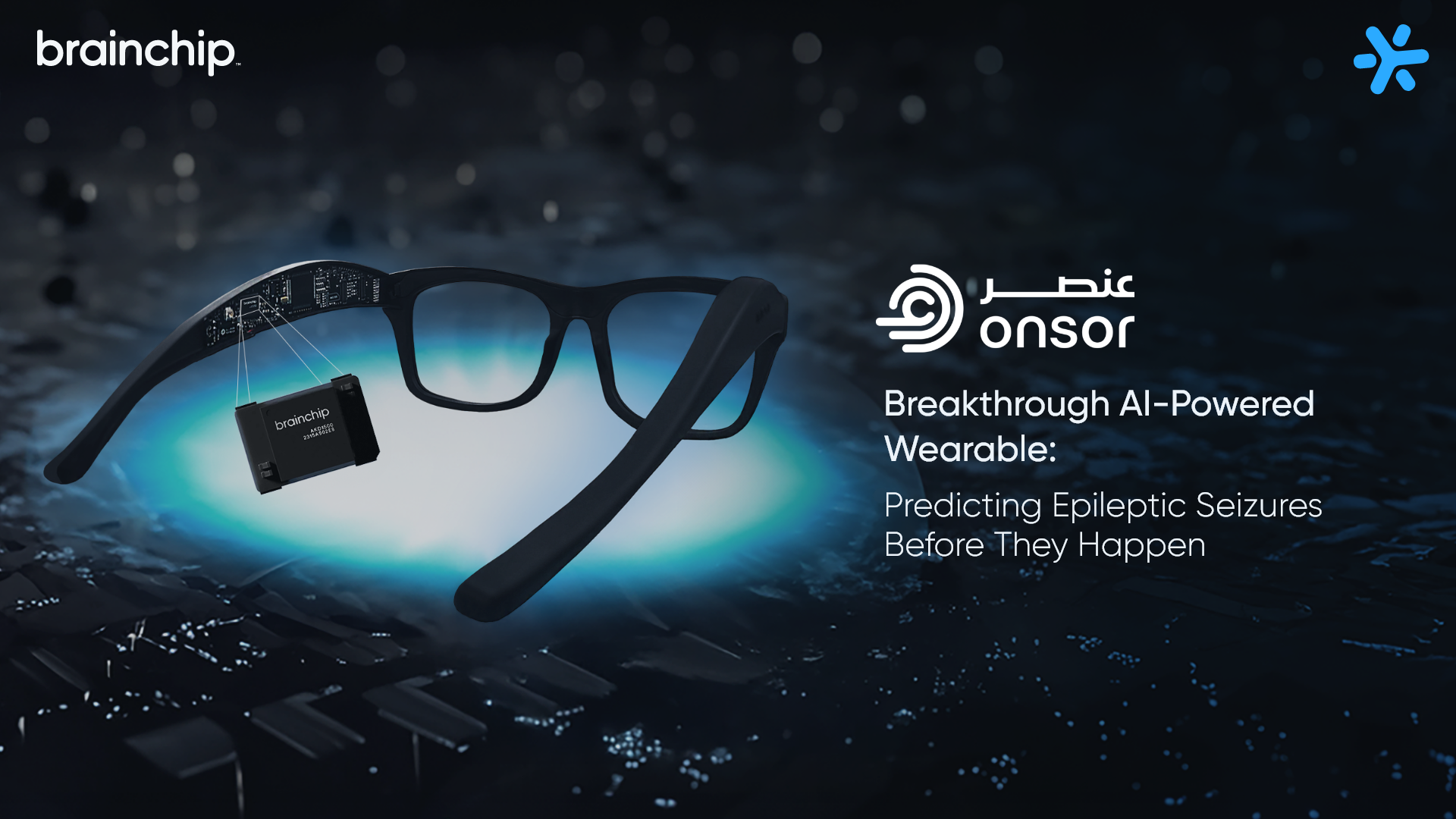
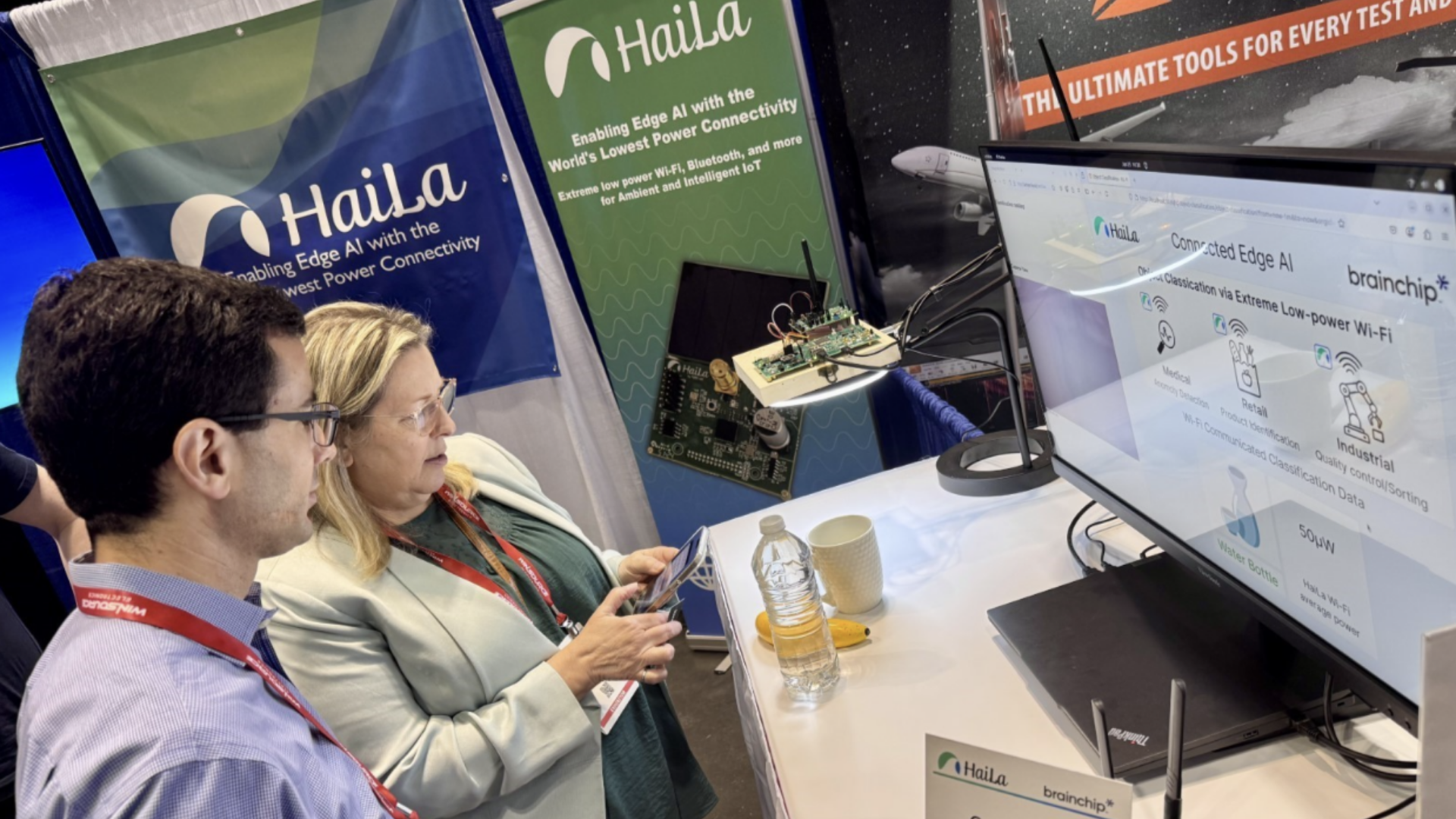
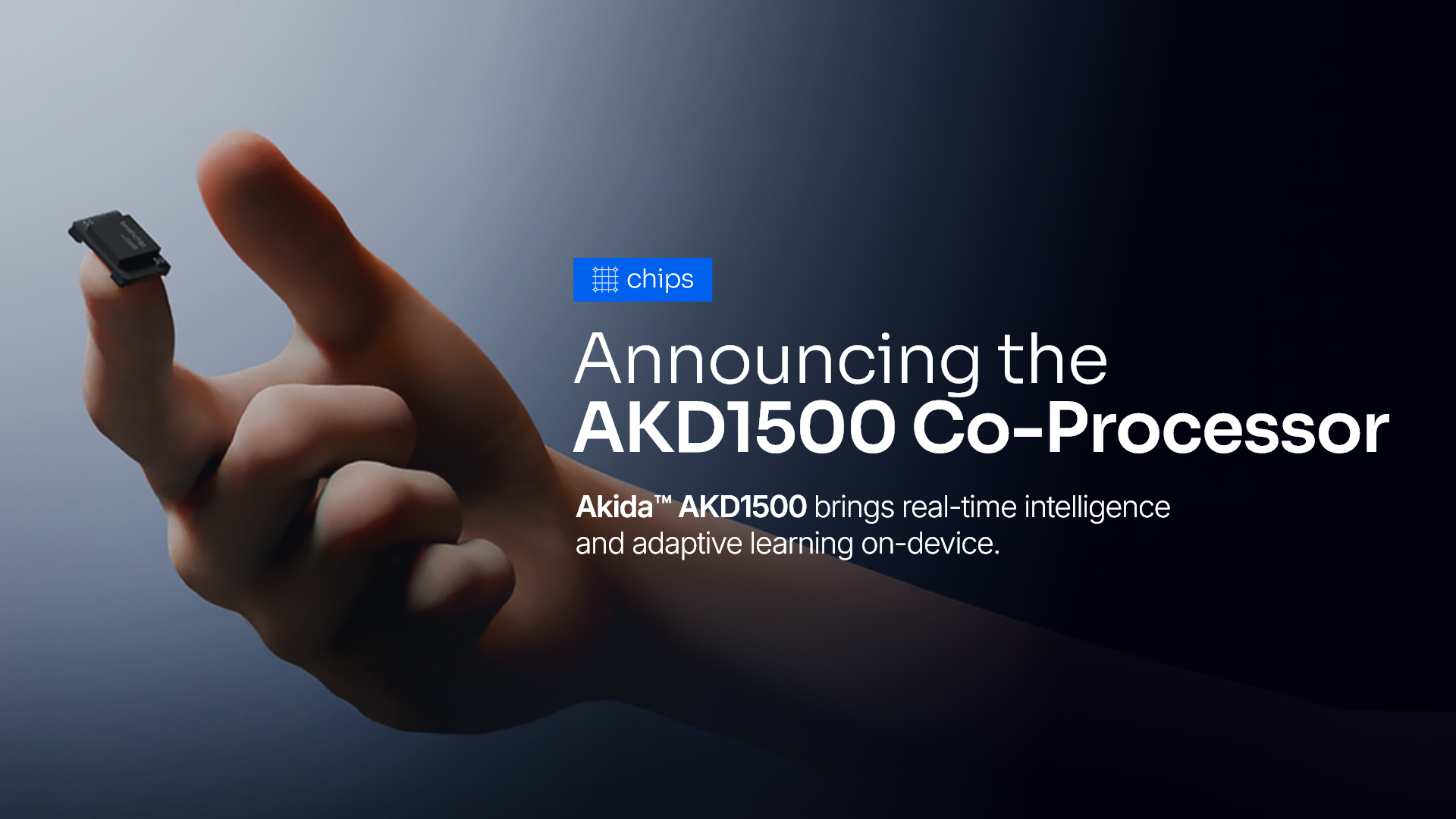
BrainChip’s Akida technology targets neuromorphic edge AI. It’s an event-based processing designed to run in real time at ultra-low power.
Its AKD1500 chip is already in volume production, with contract wins in defence and healthcare.
The company is positioning for where AI is heading next: on-device intelligence, edge LLMs, and systems that can operate without cloud dependency.
BrainChip sits in the uncomfortable middle phase investors often dislike – past hype but before scale.
But that’s exactly why it may deserve attention.
This story does not constitute financial product advice. You should consider obtaining independent advice before making any financial decision.
At Stockhead we tell it like it is. While Adisyn is a Stockhead advertiser, it did not sponsor this article.